🎁 Free delivery on orders over R600 | Pay in 4 interest-free with payflex | Use code LEARN15 for 15% off your first order


Related posts
The Arts of the Book in the Islamic World

The technical aspects of calligraphy, painting, and bookbinding are important facets of the study o...

The Key To Raising Children With The Book Of Allah
Spanning 91 beautifully illustrated, full-color pages, this informative hardback book tells "The St...

Nurturing the Fitrah: Why Your Children Need Islamic Storybooks
This study explores the Qur’anic concept of Fitrah—the innate disposition with which every human is...

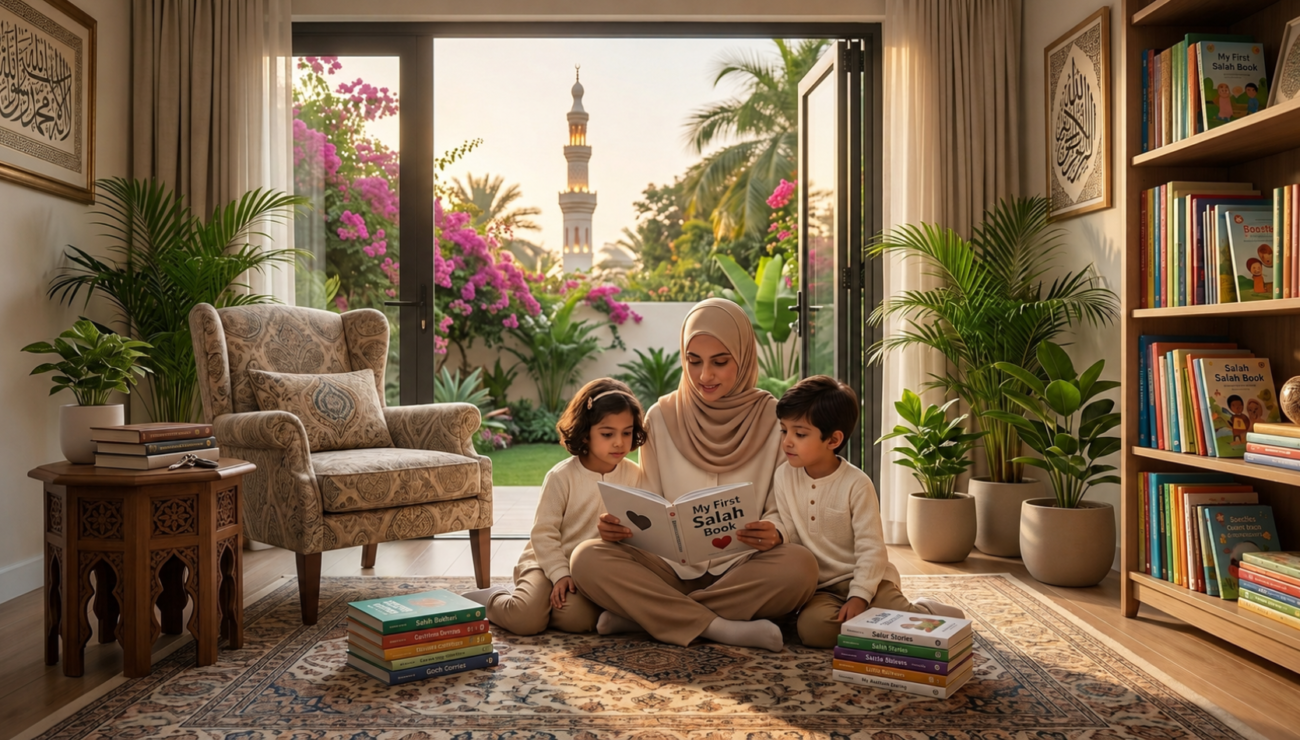
My First Salah Book: Why and How We Pray by Learning Roots
Spanning 91 beautifully illustrated, full-color pages, this informative hardback book tells "The St...
